
Mixing and Mastering for Hip Hop Tracks: Expert Tips for Polished Sound
Understanding the Basics of Mixing and Mastering
Mixing and mastering are crucial stages in music production, especially for hip hop tracks, where clarity and punch are key. Mixing involves balancing individual tracks to ensure they sound harmonious together. Mastering is the final polish, enhancing the overall sound and ensuring it translates well across all playback systems.
In hip hop, where beats and vocals need to shine, mastering these processes can elevate a track from amateur to professional. The goal is to create a cohesive sound that maintains the energy and emotion of the song.
Essential Tools for Mixing
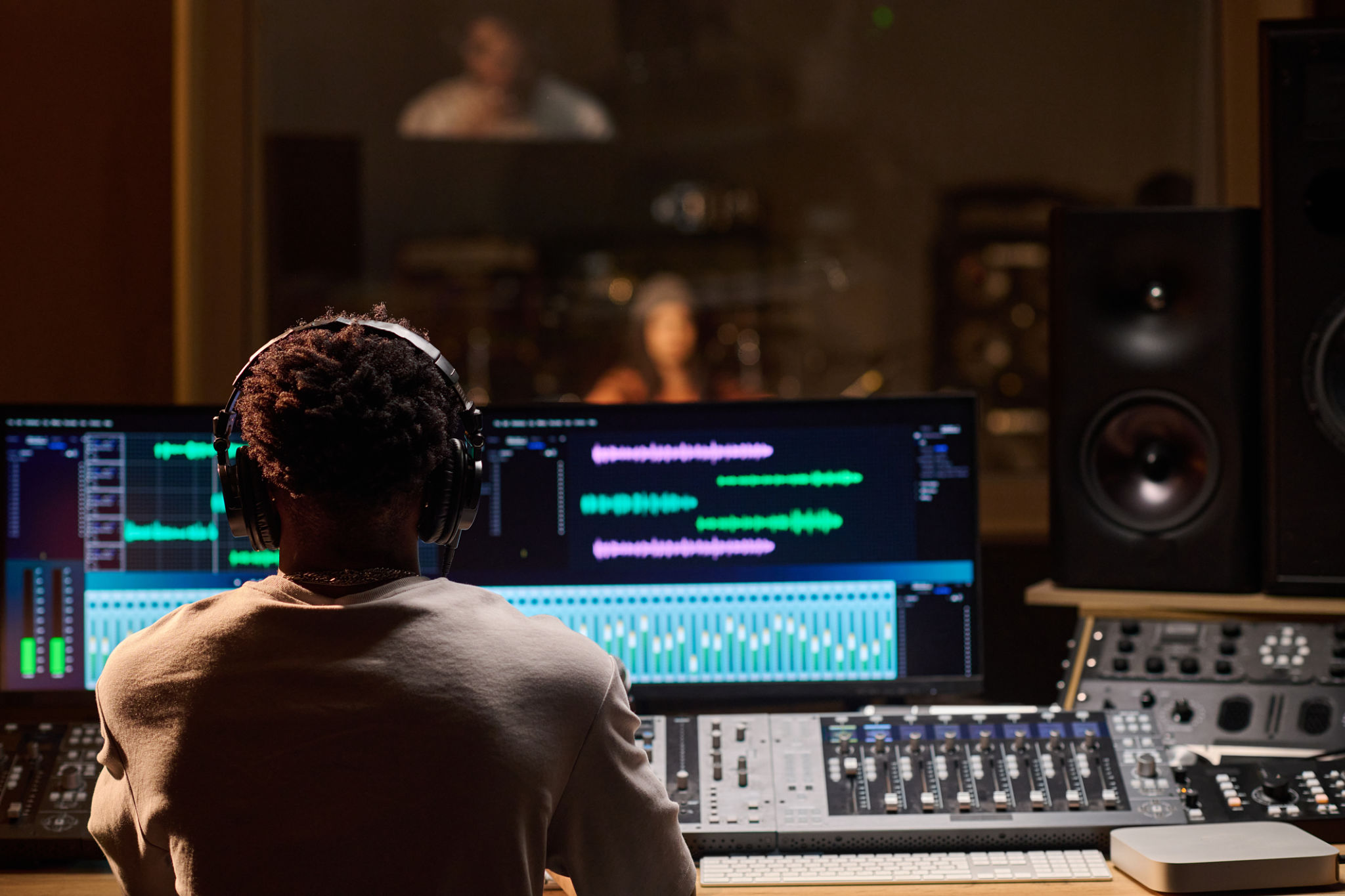
Having the right tools is essential for effective mixing. Digital Audio Workstations (DAWs) like Ableton Live, FL Studio, and Pro Tools are popular choices among producers. Alongside these, you'll need quality plugins for EQ, compression, and reverb.
Investing in a good pair of studio monitors and headphones is also crucial. These tools help ensure you’re hearing your mix accurately, allowing you to make precise adjustments.
Key Techniques in Mixing Hip Hop
One of the first steps in mixing is organizing your session. Label tracks clearly and group similar elements, like drums, for efficient workflow. EQ is your best friend—use it to carve out space for each element, ensuring they don’t clash.

Compression is another vital tool. It helps control dynamics and adds punch to your beats. When mixing hip hop, focus on achieving a balanced relationship between the vocals and the instrumental. The vocals should be clear and sit well above the beat without overpowering it.
Mastering Tips for a Polished Sound
Once your mix is solid, it's time to master. Start with limiting to increase the track’s loudness without causing distortion. A touch of stereo widening can enhance the perceived space of your mix, making it sound larger than life.
Pay attention to the track’s EQ during mastering. Subtle adjustments can make a significant difference in clarity and warmth. Ensure the low-end is tight and the highs are crisp, but not harsh.

Common Mistakes to Avoid
One common mistake in mixing and mastering hip hop is over-processing. Too much compression or EQ can strip a track of its natural energy. Always A/B test your changes to ensure you’re enhancing, not detracting from, the original sound.
Another pitfall is ignoring the importance of reference tracks. Regularly compare your mix to professional tracks in a similar genre to gauge your progress and maintain a competitive sound.
Final Thoughts on Achieving a Professional Sound
Mixing and mastering hip hop tracks is an art form that requires practice and patience. By understanding the fundamental techniques and avoiding common pitfalls, you can create tracks that stand out in the competitive music landscape.
Continuously hone your skills and stay updated with the latest trends and tools. With dedication and attention to detail, you can produce a polished, professional sound that resonates with listeners.